Entry · Ref 0UTOU4H1
The Practical Side of Interlocking Driveways Markham Homeowners Rely On
- Posted
- 2026-10-31
- Last amended
- 2026-10-31
- Account
- @getinterlockingdrivewayscorner
When I first moved to Markham a few years back, the one thing every neighbour mentioned within the first week was the driveway. Not the size of the garage or the style of the front door, but the surface you pull into every evening. That stuck with me. Because in a climate where freeze-thaw cycles test every material you put down, the driveway is not just a parking spot. It is the first thing you see when you come home and the last thing you maintain before winter hits.
Over the years I have watched friends replace asphalt three times, seen concrete crack along control joints after one hard winter, and listened to contractors argue about base preparation. What I have come to appreciate is the quiet confidence behind interlocking driveways Markham properties have adopted more and more since the early 2000s. The system makes sense. Individual pavers sit on a compacted base of granular stone and bedding sand, which means if something shifts, you fix that section rather than the whole slab. That alone saves money and frustration over a decade of use.
Why Interlocking Holds Up Better Than Poured Surfaces
The main difference between interlocking pavers and a monolithic pour is how each handles movement. Concrete and asphalt are rigid. When the ground underneath expands with frost or settles after a wet spring, the surface has to accommodate that stress somewhere. With poured concrete, that stress shows up as a crack. With asphalt, you get alligator cracking or soft spots. Interlocking pavers, on the other hand, are individual units held together by edge restraints and the friction of the bedding layer. They can shift slightly without failing. That small movement is the difference between a driveway that looks decent for fifteen years and one that needs patching every third spring.
I have seen driveways in the older parts of Markham where the original asphalt was laid in the late eighties and now looks like a patchwork of cold patch and sealant. Meanwhile, a neighbour two streets over had interlocking pavers installed around 2010. Aside from some sand loss between the joints and a slight dip near the garage apron, the surface is still level and the colours have faded evenly. That kind of longevity is not accidental. It comes from proper base depth, the right paver thickness, and good edge restraint work.
Base Preparation Is Everything
If there is one thing I have learned from watching crews work, it is that the base determines the lifespan. A typical interlocking driveway in this region needs at least eight inches of granular base for a residential driveway carrying passenger vehicles. For heavier trucks or commercial access, that number goes up to twelve inches. The base is compacted in lifts, usually two or three passes with a plate compactor, and then a one-inch layer of bedding sand is screeded flat before the pavers go down. That process takes time, but skipping steps shows up fast.
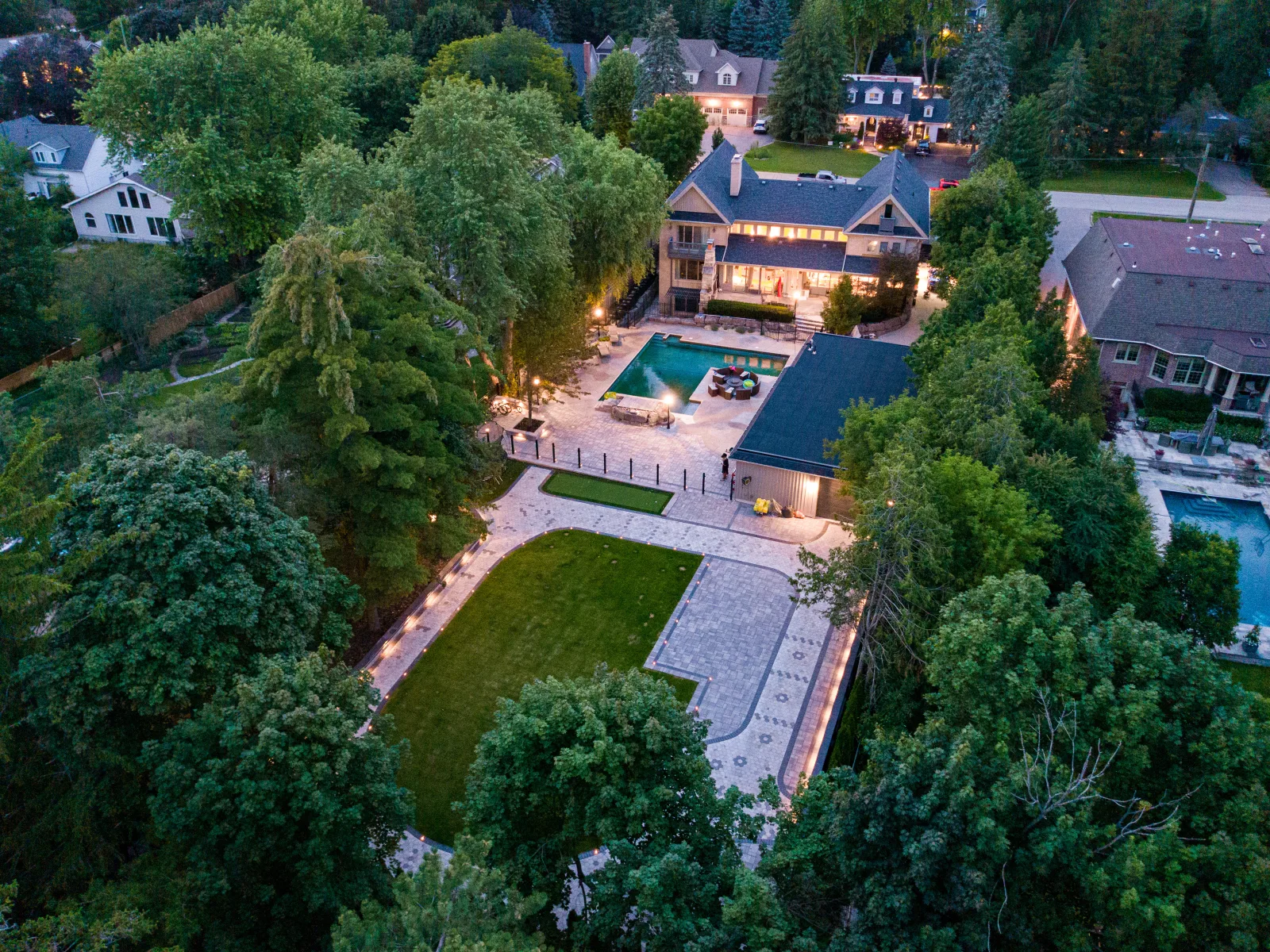
I remember a job where the contractor used recycled asphalt millings as base material because it was cheaper. Within two years the driveway had settled six inches at the low end. The homeowner ended up paying more to tear it out and start over than if they had paid for virgin granular stone the first time. That is the kind of lesson that sticks with you. With interlocking driveways Markham homeowners are generally well served by companies that do not cut corners on the base. The geology here varies a lot. Some lots sit on clay, others on sandy loam, and a few on more rocky fill. Each requires a slightly different approach to drainage and compaction. A good installer tests the soil before deciding the base depth.
Connect with us on Facebook.
Drainage and Grading
Water is the real enemy of any hard surface. When rain or snowmelt pools on a driveway, it finds the low spots and stays there. Over time that standing water works its way through the joints, softens the base, and causes settlement. Interlocking pavers handle drainage better than solid surfaces because water can filter through the joints into the base below. But that only works if the base is permeable enough and the driveway is graded properly. Most residential driveways should slope at least one percent away from the garage, ideally two percent. That is about a quarter inch per foot. It does not sound like much, but it makes the difference between a dry garage floor and one that gets damp every spring thaw.
I have also seen properties where the driveway slopes toward the house foundation. That is a problem regardless of the surface material. With interlocking, you can adjust the grading during installation more easily than with poured concrete, because the sand layer allows fine-tuning. But you still need an experienced eye to read the lot and plan the drainage path. In Markham, where many homes sit on relatively flat lots, creating that slope sometimes means raising the driveway slightly at the back and tapering down toward the road. It adds a bit of fill cost, but it prevents years of headaches.
Colour and Pattern Choices That Last
One of the practical reasons people choose interlocking is the variety of colours and patterns. But not all colours age the same. Darker pavers absorb more heat in summer and show efflorescence more prominently. Lighter colours stay cooler but can show tire marks and dirt more easily. Blended colours, where each paver has a mix of tones, tend to hide wear better over time. Patterns like running bond or herringbone are common, but herringbone offers better resistance to lateral movement on sloped driveways. That is worth considering if your driveway has a noticeable grade.
I have walked driveways where the pattern was laid in a simple basket weave, and after ten years the edges had shifted because the pattern did not lock as well on the slope. The installer could have used a soldier course border to contain the field, but they skipped it to save time. That border row, just one paver wide around the perimeter, makes a real difference in holding the whole surface together. It is a small detail, but it separates a job that lasts from one that starts coming apart at the edges.
Maintenance That Actually Matters
Interlocking driveways are low maintenance, but they are not no maintenance. The main tasks are keeping the joints filled with polymeric sand and reapplying sealer every three to five years if you want to preserve colour. Polymeric sand hardens when wet and locks the pavers together. Without it, joints erode, ants move in, and weeds take root. I have seen driveways where the homeowner let the sand wash out for two seasons, and by the third year there were quarter-inch gaps between pavers. That is a sign that the base is already losing support at the surface.
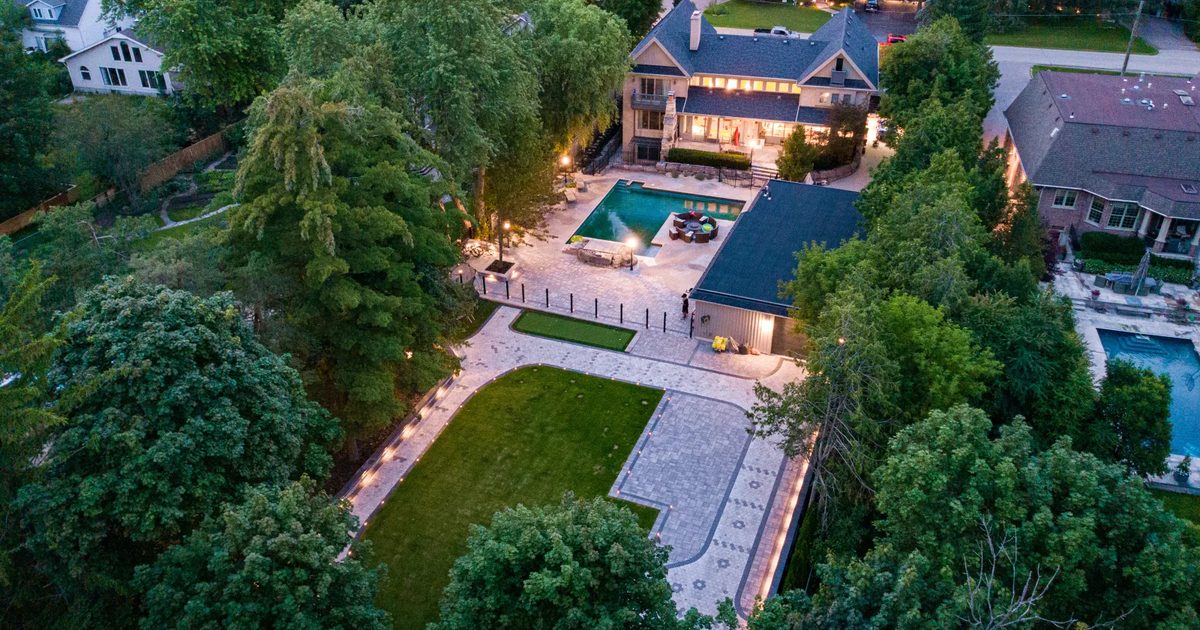
Power washing is fine once a year, but use a low-pressure tip. High pressure can blow the sand out of the joints faster than rain ever could. Also, avoid de-icing salts that contain ammonium nitrate or ammonium sulphate. They can react with the paver surface and cause spalling. Plain rock salt or calcium chloride are safer choices. If you have pets, be mindful that some sealers can be slippery when wet for a few days after application. Plan the sealing job for a dry stretch when the driveway is not needed much.
Cost Versus Value Over Time
The upfront cost of interlocking is higher than asphalt and comparable to stamped concrete. But the lifecycle cost is lower because repairs are localized. If a paver cracks, you pop it out and replace it. If a section settles, you pull the pavers, add base, and put them back. With asphalt, a crack seal only lasts a year or two before the crack reappears. With concrete, a crack means either a full joint replacement or a surface patch that always looks different. Over twenty years, interlocking usually wins on total cost of ownership.
I have talked to homeowners who hesitated at the initial quote but were glad they spent the money after seeing how their neighbour's asphalt driveway looked after five winters. Property value also plays a role. Real estate agents in the GTA often mention driveway condition during showings. A well-installed interlocking driveway signals that the property has been maintained with care. It is one of those features that does not need to be advertised; people notice it when they pull up.
Seasonal Considerations in Markham
Markham gets about 120 centimetres of snow per year on average, plus the freeze-thaw cycles that start in November and last through March. That environment is tough on any surface. With interlocking, snow removal is straightforward. A plastic shovel or a snow blower with a rubber edge works fine. Metal blades can scratch the paver surface, but that is mostly cosmetic. The joints do not heave as much as concrete joints do, because the pavers move independently. I have seen concrete driveways where the control joint cracked and the two sides shifted half an inch vertically. That creates a tripping hazard and a place where water sits. Interlocking avoids that problem because each paver moves on its own.
One thing I recommend to anyone considering interlocking driveways Markham contractors should discuss is the importance of a proper edge restraint along the driveway perimeter. Without it, the outer pavers can shift outward over time, especially if you plow snow aggressively. A concrete curb or a heavy plastic edge restraint keeps the whole system tight. That is one of those details that does not show up in photos but matters a lot after a few seasons of plowing.
If you are planning a new driveway or replacing an old one, take the time to look at a few installations that are at least five years old. Walk on them, check the joints, and see how the edges are holding. That real-world inspection tells you more than any brochure. And when you get to the installation phase, make sure the contractor compacts the base in lifts and uses edge restraints. Those are the things that separate a driveway that lasts from one that needs fixing in year six.
For homeowners in the area who want a surface that handles the local climate well, Jayden's Landscaping Markham, located at 5357 19th Ave, Markham, ON L3P 3J3, Canada, and reachable at +1 647-621-4219, has been installing and maintaining these systems since 2014 and understands the specific demands of Markham and the surrounding GTA.